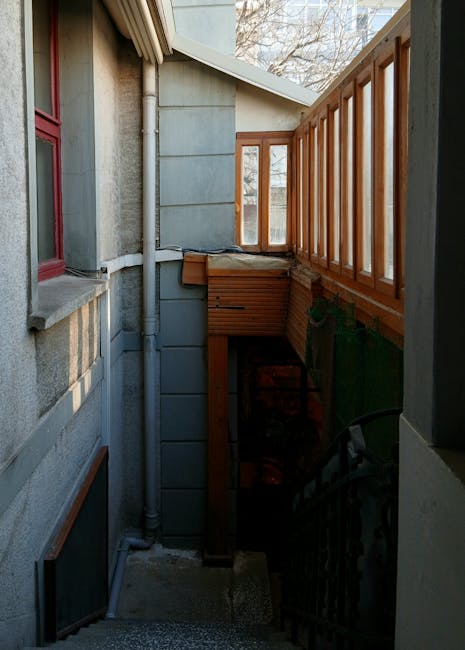
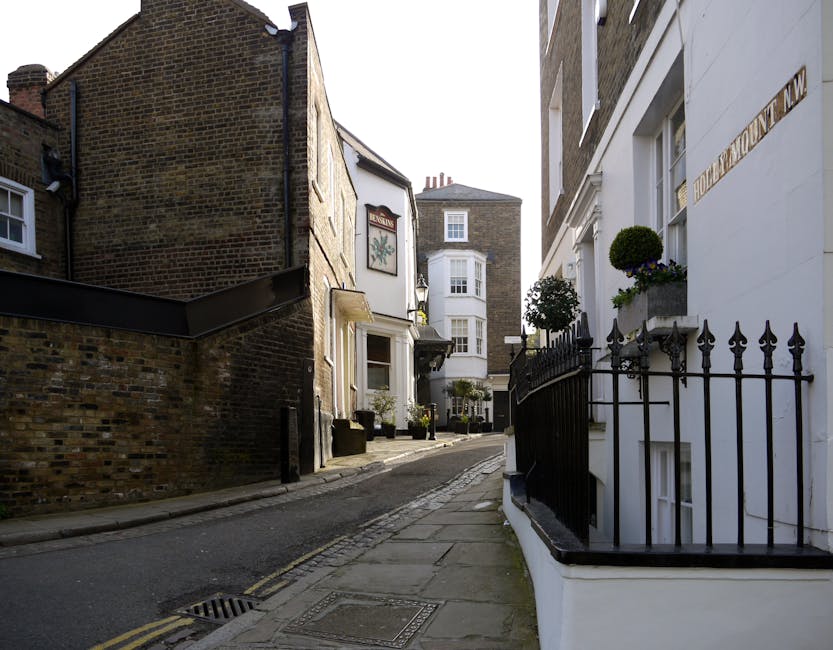
Small flat Hampstead removal solutions for narrow staircases
Moving out of a compact Hampstead flat can feel like a puzzle with one awkward piece: the staircase. Tight turns, steep steps, low ceilings, awkward landings, and a sofa that looked perfectly sensible in the showroom suddenly become a logistical headache. That is exactly where small flat Hampstead removal solutions for narrow staircases make a difference. The right approach is not just about muscle; it is about planning, measuring, sequencing, and knowing when to split, wrap, lift, carry, or store.
This guide walks through the practical side of moving from a small flat in Hampstead when the stairs are unforgiving. You will find what works, what tends to go wrong, and how to make the whole thing calmer and safer. If you are deciding between a full move, a lighter vehicle option, or a combination move-and-store plan, this should help you think it through properly.
To keep the process smooth from the start, it also helps to look at related support such as flat removals, small removals, and, when you need a little breathing room between addresses, removals and storage. Simple enough on paper. In real life, though, narrow staircases have a way of making the paper look optimistic.
Table of Contents
- Why this kind of move matters
- How the process works
- Key benefits and practical advantages
- Who this is for and when it makes sense
- Step-by-step guidance
- Expert tips for better results
- Common mistakes to avoid
- Tools, resources and recommendations
- Law, compliance, standards and best practice
- Options, methods and comparison table
- Case study or real-world example
- Practical checklist
- Conclusion
- Frequently asked questions
Why Small flat Hampstead removal solutions for narrow staircases Matters
In Hampstead, many flats sit in period conversions, older maisonettes, or compact buildings where access was never designed with modern furniture in mind. That matters because the building itself shapes the whole removal strategy. A standard approach can be slow, risky, and stressful if your staircase barely allows two people to pass, let alone a mattress or wardrobe.
These moves matter for three main reasons. First, safety: a narrow stairwell increases the chance of knocks, scrapes, strained backs, and damage to walls, bannisters, or items being carried. Second, timing: what looks like a 20-minute carry can take much longer if every turn needs a reset and every item needs extra wrapping. Third, neighbour relations. In close-knit London blocks, one clumsy lift can mean chips in paint, noise complaints, or a very awkward hello in the hallway afterwards.
There is also the money side. Smaller, better-planned moves usually cost less than trying to force a large-team, oversized-van approach onto a property that simply cannot support it. That is why the smartest Hampstead removals are often the most modest ones: fewer items, better packing, tighter scheduling, and the right vehicle size for the road outside.
Expert summary: Narrow staircase moves succeed when the removal plan matches the building, not when the building is expected to cooperate with the plan.
If you want a clearer sense of what the service structure looks like, a useful starting point is the broader removals page, then work back from there to the smallest and most practical setup for your flat.
How Small flat Hampstead removal solutions for narrow staircases Works
The process is usually a blend of assessment, packing, and controlled handling. You are not just moving boxes from A to B. You are figuring out which items can safely travel through the staircase, which should be dismantled, what should be wrapped differently, and whether anything is better sent out another way. Truth be told, the staircase often decides the whole route.
1. Access checking comes first
Before moving day, the key measurements are not just the flat size. You need staircase width, landing depth, ceiling height on turns, front-door clearance, and the route from the flat to the vehicle. One slightly over-large wardrobe can be the item that changes everything. Have you ever watched a sofa refuse to turn a corner? It is a humbling moment.
2. Items are sorted by movement difficulty
Light, stackable, and flexible items are straightforward. Bulky, rigid, or fragile items need more thought. A typical order might be: boxes first, lamps and kitchenware next, dismantled furniture after that, and the awkward pieces last. The aim is to avoid the staircase becoming blocked by a half-moved bed frame while everyone waits.
3. Protective packing is adapted to the route
A narrow stairwell creates more contact points, so extra padding is often worth it. Corner guards, blanket wrapping, mattress bags, and taped-down handles all help. In many small flat moves, the difference between a clean landing and a scuffed one is simply how well the furniture was prepped.
4. The team uses controlled carrying techniques
Good removal work looks almost boring when it is done properly. Items are angled, paused, shifted, and repositioned in short, careful movements. This is slower than flinging things down the stairs, obviously, but it protects the item, the stairwell, and the people carrying it.
5. Storage is used when the staircase is the bottleneck
Sometimes the best solution is not forcing every item out at once. If your new place is not ready, or you need to split the move over a few days, a storage-first or storage-in-between approach can make the whole thing far less fraught. Options such as self storage, short-term storage, and secure storage can all be useful depending on timing and item type.
Key Benefits and Practical Advantages
Done properly, this kind of move has some very real upsides. The obvious one is that you get out without damage. But there is more to it than that.
- Less stress on moving day: a clear plan means fewer last-minute decisions on the stairwell.
- Reduced risk of damage: careful routing protects both furniture and the building fabric.
- Better use of time: the right sequence saves a surprising amount of effort.
- Lower chance of injury: awkward stair carrying is one of those things that looks harmless until it is not.
- More flexibility: storage or split-load options let you move on your own terms.
- Cleaner neighbour experience: fewer repeated passes, less noise, less disruption.
There is also the practical advantage of using the move as a reset point. In a small flat, every object earns its place. A staircase move can be a useful moment to declutter, recycle, or place non-essential items into temporary storage. If that sounds appealing, the mobile self storage and household storage options can be handy for the in-between phase.
And let's face it, moving is rarely the ideal time for a wardrobe to develop an attachment to the first-floor landing.
Who This Is For and When It Makes Sense
This approach is a good fit for a few common Hampstead scenarios. You may recognise yourself in one of these.
- Tenants in small period flats with winding staircases and limited lobby space.
- Students and young professionals moving in or out of compact rented homes.
- Couples downsizing from a larger property into a smaller flat.
- People with a few valuable or awkward items rather than a full household load.
- Anyone between tenancies who needs temporary storage as part of the move.
- Small businesses using residential premises for documents, stock, or office overflow.
It also makes sense if your move is simple on paper but difficult in the building. A small flat can still contain a heavy bed frame, a glass dining table, a bookcase that looks innocent until you lift it, and half a dozen boxes of books. Small flat, yes. Small effort, not really.
If your move is especially light, a man and van service can be a very practical option because it suits smaller loads and tighter access arrangements without overcommitting to a full-scale operation.
Step-by-Step Guidance
Here is the most sensible way to tackle a narrow-staircase move without making it harder than it needs to be.
- Measure everything twice. Measure the staircase, the landing, doorways, and the tallest or widest items you own. If possible, note turning points, banisters, and any low ceilings.
- Decide what actually needs to move. Be honest. If something does not earn the trip, sell it, donate it, recycle it, or store it.
- Break furniture down in advance. Remove legs, shelves, drawers, mirrors, and loose parts where safe to do so.
- Pack by weight and fragility. Heavy things go in smaller boxes. Fragile things get more padding than you think they need.
- Protect the route. Use coverings for bannisters, corners, and floor edges where contact is likely.
- Load in a workable sequence. Start with easy items and end with the awkward ones so the team is not blocked halfway through.
- Use pauses wisely. On narrow stairs, short controlled pauses prevent rushed movements and help avoid a wobble.
- Keep the vehicle close and practical. Parking distance matters. A short carry can save a lot of strain at the end of the day.
- Check the flat is empty and safe. Do a final sweep of cupboards, loft spaces, and behind doors before you leave.
If you are moving with extra boxes, books, or fragile household bits, the packing services page is worth exploring because proper packing often solves half the staircase problem before it even begins.
Expert Tips for Better Results
The best narrow-staircase moves are rarely the flashiest. They are the ones where someone has quietly thought three steps ahead. A few tips that genuinely help:
- Measure the awkward item, not just the room. A bed base may fit the bedroom perfectly and still be impossible on the turn.
- Use smaller boxes than you think you need. A small box that can be carried safely is worth more than a giant one filled with books and regret.
- Strip items down early. Take off lamp shades, drawer handles, loose shelves, and any parts likely to snag.
- Label by room and priority. It speeds up unloading and stops the new flat from turning into a box graveyard.
- Keep a clear walkway outside the building. It reduces delay and makes the whole carry safer.
- Plan for rain. Hampstead weather has a sense of timing. A couple of plastic covers or dry cloths can save a lot of grief.
- Think in zones, not just items. Stairwell, landing, front entrance, vehicle, and new flat all need different handling.
One small, often overlooked idea: put the first-night essentials in a separate bag. Kettle, charger, toiletries, medication, basic clothes. Nobody enjoys rooting through twelve labels at 10 p.m. while tired and hungry.
If you need a lighter-moving setup for a small load, local removals can suit short-distance moves where access matters as much as distance.
Common Mistakes to Avoid
Most problems on narrow staircases are predictable. That is the annoying part, really. The good news is they are also avoidable.
- Assuming the furniture will "probably fit". Probably is not a measurement.
- Leaving packing until the last minute. Rushed packing leads to crushed items and awkward lifting.
- Using oversized boxes for heavy contents. Books, crockery, and tools should be split up.
- Not dismantling furniture early enough. Waiting until moving morning creates avoidable pressure.
- Ignoring building protection. Bannisters and walls are the first things to get scuffed when the route is tight.
- Blocking the staircase. If items are left sitting on landings, movement slows and risk rises.
- Forgetting storage as a backup. Sometimes a split move is the smarter move.
A less obvious mistake is trying to make everything fit the same plan. Your wardrobe, your boxes, your bicycle, and your awkward side table do not all need the same solution. They really do not.
Tools, Resources and Recommendations
You do not need a warehouse full of kit, but a few basics make narrow-staircase moves much easier.
- Measuring tape: essential for checking doorways, turns, and item dimensions.
- Furniture blankets and wrapping: useful for protecting finishes and reducing impact.
- Strong tape and labels: helps secure wrapping and keep boxes organised.
- Mattress bags: particularly helpful for clean transport through tight hallways.
- Gloves with grip: improves handling without making everything slippery.
- Small step trolley or moving dolly: useful only where the route genuinely allows it; on many narrow stairs, manual carrying is still safer.
- Tool kit for dismantling: hex keys, screwdrivers, spare bags for fittings, and a marker pen for labelling parts.
In service terms, the most relevant support pages are usually furniture storage for bulky items you do not want to force through a stairwell right away, and short-term storage if you need a short gap between moving out and settling in.
For people with more involved moves, the broader removals and storage route can be the neatest solution because it keeps the process flexible when access is tight or the moving dates do not quite line up.
Law, Compliance, Standards and Best Practice
For household moves, the main concerns are generally safety, insurance, access, and fair handling of property. You do not need to turn into a legal expert, but you should know the basics. Removal work should be carried out with reasonable care for the property, the belongings, and the people involved. If a staircase is unusually tight or the load is unusually awkward, best practice is to slow down, plan properly, and avoid forcing movement where it is clearly unsafe.
Insurance and protection matter too. If a mover is carrying your furniture through a narrow stairwell, it is sensible to ask how they handle accidental damage, what is covered, and what exclusions may apply. That is not being difficult. That is being sensible. A proper provider should also have health and safety expectations for lifting, carrying, and route planning. If you want to understand how these topics are typically handled, the site's insurance and safety and health and safety policy pages are useful places to look.
For anything involving storage, check access conditions, security practices, and payment handling before you commit. The practical side matters just as much as the move itself. If items will be stored for a while, long-term storage may be more suitable than a rushed same-day solution.
One more thing: if there are shared hallways, common entrances, or tight access routes, be considerate. Keep noise down where possible, avoid blocking exits, and leave the stairwell as you found it. It is basic courtesy, but it goes a long way in older Hampstead buildings where space is already at a premium.
Options, Methods, or Comparison Table
There is no single best method for every small flat. The right choice depends on your load size, access, timing, and how awkward the stairs are. Here is a simple comparison to help you weigh things up.
| Method | Best for | Strengths | Trade-offs |
|---|---|---|---|
| Careful direct carry | Few items, manageable furniture, short stair runs | Simple, efficient, usually the quickest option | Less suitable for bulky or fragile pieces |
| Man and van | Small to medium loads, local moves, flexible timing | Cost-effective and practical for compact moves | May still need extra planning for awkward items |
| Move with dismantling | Beds, wardrobes, shelving, large tables | Improves fit through tight spaces | Requires time, tools, and reassembly later |
| Move with storage | Staggered dates, downsizing, uncertain completion timing | Reduces pressure and avoids forcing all items at once | Adds a storage step and more coordination |
| Full removals team | Heavier loads, multiple rooms, higher risk access | More hands for awkward lifts and protection | Can be more than you need for a very small move |
For smaller households, the sweet spot is often a mix: some items carried directly, some dismantled, and the odd bulky piece placed into storage. That hybrid approach is often the calmest one.
Case Study or Real-World Example
Imagine a one-bedroom flat just off a quiet Hampstead street. The staircase is narrow, the landing turns sharply, and the front door opens into a shared hallway that barely gives two people space to pass. The move looks small at first glance: a bed, a compact sofa, a desk, six boxes, a bookcase, and a couple of plants.
On the day, the bed is dismantled beforehand, the desk legs are removed, and the bookcase shelves are taken out so the unit is lighter and less rigid. Boxes are packed smaller than usual, with the books split into two loads. The sofa is wrapped at the corners because the first turn on the stairs is tight enough to catch the arm if anyone rushes. One bulky sideboard is judged too awkward for the current route, so it goes into temporary storage rather than being forced through the landing. Not glamorous, but sensible.
The result is a smoother move, fewer pauses, and far less tension. There is no heroic struggle on the stairs, which, to be honest, is exactly what you want. The flat is emptied without damage, the new place is set up faster, and the one item that would have caused trouble is dealt with on a better timeline.
That is the real value of a good small-flat plan: it avoids the drama people usually remember from moving day.
Practical Checklist
Use this as a quick pre-move check. It is simple, but it saves mistakes.
- Measure staircase width, landings, doors, and large furniture.
- Decide which items will move, be stored, sold, or recycled.
- Dismantle beds, tables, shelving, and anything with removable parts.
- Pack heavy items into smaller boxes.
- Wrap corners, glass, and fragile surfaces properly.
- Label boxes by room and priority.
- Protect bannisters, walls, and floor edges where needed.
- Confirm parking and access arrangements for the vehicle.
- Set aside essentials for the first night.
- Check insurance and safety arrangements before moving day.
- Keep tools, tape, and spare bags close at hand.
- Allow extra time for stairs, weather, and small delays.
If you are still refining the move and want a service that fits a lighter load, man and van and small removals are both worth comparing against a fuller removals plan.
Conclusion
Small flat Hampstead removal solutions for narrow staircases are really about matching the move to the building. Once you accept that the staircase is part of the job, not an obstacle to ignore, everything gets easier. You measure better, pack smarter, choose the right support, and avoid the kind of last-minute scramble that can turn a simple move into a long, tiring day.
The best moves are not the loudest ones. They are the calm, efficient ones where the right items travel the right way, the awkward pieces get a sensible plan, and nobody ends up wrestling a wardrobe on a landing at dusk. That is the kind of move worth aiming for.
Get a free quote today and see how much you can save.
If you are preparing a Hampstead move with tight access, narrow stairs, or a very small flat, the smartest next step is to choose a plan that protects both your belongings and your energy. A little planning now can save you a lot of grief later. And honestly, that is worth doing properly.
Frequently Asked Questions
What makes small flat removals in Hampstead difficult?
The main issue is usually access. Narrow staircases, sharp turns, shared hallways, and compact landings make it harder to carry furniture safely. Even a small flat can contain bulky pieces that are awkward to manoeuvre.
Do I need a specialist service for narrow stairs?
Not always, but you do need a service that understands tight access. If your furniture is large, fragile, or difficult to dismantle, a team with small-load experience is usually the safer choice.
Can a sofa fit up a narrow staircase?
Sometimes yes, sometimes no. It depends on the sofa's length, height, and flexibility, plus the width and turning space on the stairs. Measuring both the item and the route is the only reliable way to know.
Is dismantling furniture worth the effort?
Usually, yes. Removing legs, shelves, drawers, or headboards can make a huge difference in tight stairwells. It also reduces the risk of scuffs and awkward twisting.
What should I pack into smaller boxes?
Heavy items such as books, crockery, tools, and paperwork should go into smaller boxes. They are easier to carry and less likely to split or become unsafe on stairs.
How much time should I allow for a small flat move?
That depends on the access, the amount of furniture, and how much dismantling is needed. Narrow staircases almost always slow things down a bit, so adding extra time is sensible.
What if I cannot move everything on the same day?
Then storage can be the cleanest solution. Short-term or secure storage lets you split the move into stages instead of forcing everything through a difficult staircase in one go.
Is a man and van suitable for Hampstead flats?
Yes, often very suitable. For small loads and local moves, it can be a practical and cost-conscious option, especially where access is tight and a full removals crew would be more than you need.
How do I protect the staircase and walls?
Use blankets, corner protection, careful lifting, and controlled movement. It also helps to keep the route clear and avoid rushing at turns or on landings.
Should I choose storage before or after the move?
That depends on your timing. If your new place is not ready, or you want to reduce pressure on moving day, storing items before the final transfer can be much easier.
What if my building has awkward parking or restricted access?
Then planning matters even more. Parking distance can change the pace of the whole move, so it is worth checking access in advance and keeping the load as compact as possible.
How do I know which option is most cost-effective?
Compare the total picture: the size of the load, how much dismantling is needed, whether storage is required, and how difficult the staircase is. The cheapest quote is not always the cheapest move if damage or delays become part of the bill.
For readers who want to compare practical moving support and storage in one place, it can also help to look at pricing and quotes alongside the service pages that match your load and timing.