Flask Walk Hampstead removals tips for limited parking
Moving in Flask Walk, Hampstead can feel simple on paper and oddly complicated at street level. The boxes are packed, the keys are ready, and then reality arrives: narrow roads, limited parking, neighbours needing access, and a removal van that cannot just stop anywhere for long. If you are looking for Flask Walk Hampstead removals tips for limited parking, you are probably trying to avoid that last-minute scramble where everyone is standing around while the driver circles the block. Been there, seen it, and it is never fun.
This guide pulls together the practical stuff that actually helps: how parking pressure affects your move, what to plan before moving day, which service choices make sense, and how to keep the whole thing calm enough to manage. You will also find a checklist, comparison table, and a real-world style example so you can turn the advice into action without guesswork.
Table of Contents
- Why Flask Walk Hampstead removals tips for limited parking Matters
- How Flask Walk Hampstead removals tips for limited parking Works
- Key Benefits and Practical Advantages
- Who This Is For and When It Makes Sense
- Step-by-Step Guidance
- Expert Tips for Better Results
- Common Mistakes to Avoid
- Tools, Resources and Recommendations
- Law, Compliance, Standards, or Best Practice
- Options, Methods, or Comparison Table
- Case Study or Real-World Example
- Practical Checklist
- Conclusion
- Frequently Asked Questions
Why Flask Walk Hampstead removals tips for limited parking Matters
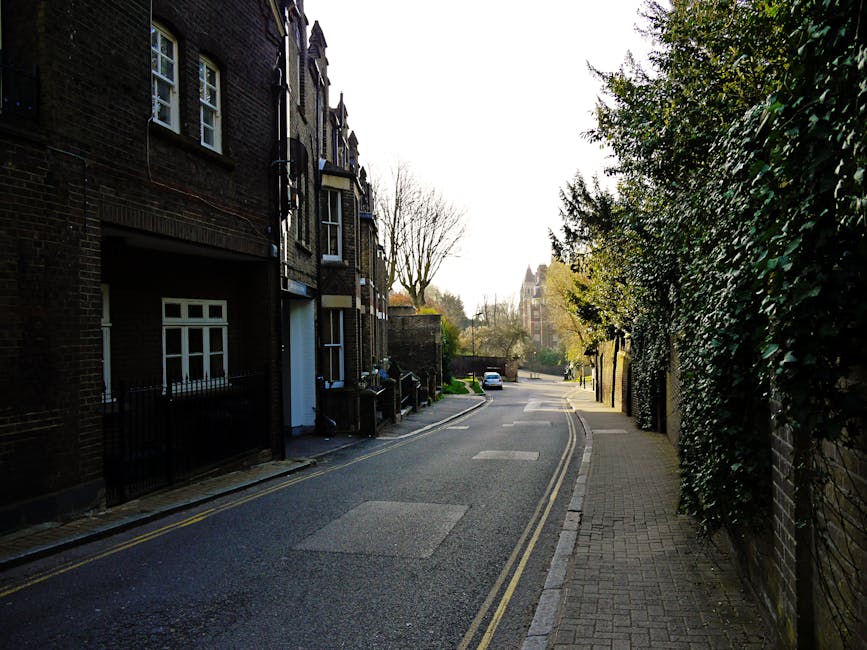
Flask Walk sits in one of those parts of London where the map looks manageable until you stand outside with a sofa and realise the road layout, loading space, and resident parking can turn a straightforward move into a logistical puzzle. Limited parking matters because removals are time-sensitive. A van that cannot stop close to the entrance means extra carrying distance, slower loading, more risk of damage, and a higher chance of paying for delays that nobody planned for.
In Hampstead, this matters even more because streets can be busy, kerb space can disappear quickly, and nearby traffic patterns change through the day. If the move is happening on a weekday morning, you may also be competing with commuters, delivery drivers, and residents trying to get in and out. That is why the smartest moves are rarely the most rushed ones. They are the best prepared ones.
There is another reason this topic deserves attention: stress. Moving day already has enough moving parts. If parking is sorted early, people can focus on wrapping furniture, checking rooms, and protecting awkward items rather than arguing over where the van can sit for ten minutes. Truth be told, that alone can save the mood of the whole day.
Expert summary: In a limited-parking area like Flask Walk, success usually comes down to planning the vehicle position, managing loading time, and choosing the right moving setup for the property rather than simply booking a van and hoping for the best.
How Flask Walk Hampstead removals tips for limited parking Works
The process is really about reducing friction before the van arrives. You look at the access situation, decide how close the vehicle can reasonably get, and organise the move around that reality. That sounds obvious. Still, plenty of moves go wrong because people plan for the ideal version of the street, not the actual one.
Here is what usually happens in a well-organised limited-parking move:
- The property access is assessed in advance, including road width, turning room, and likely loading spots.
- The household or business checks whether a parking bay suspension, visitor permit, or alternative loading arrangement is needed.
- The removals team plans the vehicle size and arrival window around likely traffic conditions.
- Fragile or heavy items are packed and staged near the exit so they can move quickly.
- Loading happens in a steady sequence, often with one person managing door access and another handling the heavier items.
- If parking proves tighter than expected, the plan adjusts without chaos because there is already a fallback option.
That last point is the one people underestimate. A good move is not about pretending the road is empty. It is about having a Plan B that still gets the job done. Sometimes that means a smaller van, sometimes it means splitting the load, and sometimes it means using a man and van service for a more flexible approach on narrow streets.
To be fair, even a perfect plan can be nudged by a parked car that was not there the night before. Hampstead has that sort of energy. So the question is not, "Can we make parking easy?" The better question is, "How do we make the move work even if parking is awkward?"
Key Benefits and Practical Advantages
The biggest benefit of planning for limited parking is control. You reduce the number of unknowns, and with removals that matters a lot. But there are a few other gains that are worth spelling out.
- Faster loading and unloading: The shorter the carry distance, the less time items spend exposed to weather, knocks, or rushing.
- Lower damage risk: Furniture and boxes are easier to handle when the route from the front door to the van is short and clear.
- Better use of labour: A move crew can work more efficiently when they are not wasting time walking back and forth from a distant vehicle.
- Less neighbour friction: Good parking planning reduces the chance of blocking drives, entrances, or shared access unnecessarily.
- More predictable costs: Delays caused by poor access often lead to extra time, and extra time is usually what turns a decent quote into an unpleasant one.
There is also a less obvious advantage: calm decision-making. When parking is mapped out properly, people stop improvising. And when people stop improvising with furniture, glass, and staircases, everyone's day gets easier.
If your move involves multiple stops, storage, or a mix of large and small items, the flexibility of removals and storage can be especially helpful. It gives you room to work around parking limitations instead of forcing everything into one tight window.
Who This Is For and When It Makes Sense
This approach makes sense for anyone moving in or around Flask Walk, but some people benefit more than others.
It is especially useful if you are:
- moving from a flat or maisonette with little or no private parking
- dealing with a narrow road, restricted bay, or shared access
- moving large items like wardrobes, sofas, beds, or appliances
- working to a fixed handover time, for example a tenancy or completion window
- trying to move out of hours or around busy weekday traffic
- organising a business move where vans need a clear loading plan
It also makes sense if you are moving in stages. Maybe the main furniture goes first, and smaller items follow later. Or perhaps you are combining home removals with storage because the new place is not ready yet. In those cases, local flexibility matters even more, and a smaller team can sometimes be smarter than a bigger one.
If you are not moving much and the building access is straightforward, a full-scale operation may be overkill. In that case, small removals can be a more practical fit. Simple job, simple setup. No drama.
Step-by-Step Guidance
If you want a move that feels organised rather than reactive, work through the process in order. This is the bit that saves people from the usual "we'll figure it out on the day" mistake. Let's face it, that rarely ends beautifully.
1. Measure the reality of the street, not the idea of it
Look at the width of the road, the presence of bay markings, nearby corners, and whether a van could safely stand without creating a hazard. If possible, visit at the same time of day as your move. A quiet early-morning street can look very different by late morning.
2. Check access from the property to the kerb
Distance matters. So does the route. Are there steps? Tight turns? A sloped pavement? A heavy chest of drawers is one thing over a short, level walk. Across a long or awkward route, it becomes another thing entirely.
3. Decide what vehicle size is realistic
Larger is not always better. In limited parking areas, a more manoeuvrable vehicle can save time and stress. The right choice depends on the volume of items, the weight of furniture, and how much stopping space is actually available.
4. Sort parking permissions or local arrangements early
If parking controls, loading restrictions, or resident bays are involved, deal with them well before moving day. Not every situation needs a formal solution, but waiting until the morning of the move is asking for trouble. If your move involves permit-related planning, it can help to read the practical advice in Camden council rules for Hampstead removals and parking permits.
5. Pack for speed as well as safety
Label boxes clearly, keep essentials separate, and place the most awkward items where they can be reached first. Heavy packing chaos at the door is the enemy of a quick load. One small pile of essentials by the exit can save a lot of wandering around.
6. Stage furniture sensibly
Move items closer to the exit before the van arrives, but do not block hallways or create a trip hazard. A tidy staging area makes loading smoother and keeps things safer for everyone involved.
7. Build in a buffer
Parking delays, lift delays, and neighbour access issues are common enough that a realistic time buffer is not pessimistic, it is sensible. A little breathing room changes everything.
8. Keep one person focused on access
On the day, have someone who is not endlessly unpacking or answering the phone stay focused on the front door, keys, and access route. It is a small thing, but it prevents confusion when the van arrives and everyone starts talking at once.
Expert Tips for Better Results
These are the details people usually only learn after a difficult move. Better to borrow them now.
Use the quietest arrival window you can reasonably get. Early is often better than mid-morning in busier parts of Hampstead, but check practical constraints at the building too. Some properties are not ready before a certain time, and you do not want the crew waiting in the road while you hunt for a key.
Keep the heaviest items closest to the exit on loading day. If the sofa, fridge, or wardrobe is sitting behind smaller boxes, everyone loses time. It sounds basic because it is basic. Yet it gets missed all the time.
Protect the drop zone. A mat, blankets, or a clear floor path can stop grime being carried in and out. On a damp London day, that matters more than people think. Mud, water, and dusty box bases can make a hallway slippery fast.
Choose flexibility over bravado. A smaller van, a split load, or a slightly longer schedule may be better than forcing everything into one impossible slot. You are not trying to win a parking contest. You are trying to move home safely.
Ask about contingency options. If the exact front door stop is not available, what happens then? Can the crew work from a nearby bay or alternate access point? Good providers think this way naturally.
Keep the essentials with you. Documents, medications, chargers, kettle supplies, and one change of clothes should not be buried in the van. You will thank yourself later, probably around the point the first cup of tea becomes essential.
For households that also need furniture held temporarily, secure storage or short-term storage can make the whole job less frantic. It is not a sign of disorganisation. It is often the sensible choice.
Common Mistakes to Avoid
Limited parking moves are unforgiving of small oversights. The good news is that most of the common mistakes are avoidable if you know what to watch for.
- Assuming parking will "sort itself out": This is the classic one. It rarely sorts itself out.
- Booking a van that is too large for the street: A bigger vehicle can actually slow the move down if it cannot position safely.
- Not checking loading restrictions: Bays, double yellow lines, and timed restrictions can all change what is feasible.
- Forgetting building access details: Gate codes, lift bookings, and stair width all matter.
- Packing too late: Last-minute packing creates clutter, and clutter creates delay.
- Not protecting furniture properly: Scratches happen quickly when items are carried through tight spaces.
- Leaving no buffer for delays: One late arrival can set the whole day off balance.
- Choosing the cheapest option without checking suitability: Price matters, but so does whether the service actually fits the street and property.
There is a real difference between saving money and buying a headache. Moving plans can look cheap right up until they are not.
If you want to understand how quote structures can shift when access is tight, Hampstead removals pricing explained and common mistakes to avoid is a useful companion read.
Tools, Resources and Recommendations
You do not need a mountain of kit, but a few practical tools make a limited-parking move much smoother.
| Tool or resource | Why it helps | Best used for |
|---|---|---|
| Boxes with clear labels | Speeds up unloading and room placement | Every move, especially flats and multi-room homes |
| Furniture blankets and wraps | Protects surfaces during tight carries | Sofas, tables, wardrobes, and appliances |
| Trolley or dolly | Reduces repeated lifting | Heavier boxes and short kerb-to-door routes |
| Door stops | Keeps access routes open safely | Busy loading periods |
| Printed inventory | Makes it easier to track items if they are moved in stages | Mixed moves and storage transfers |
| Local parking or permit notes | Helps avoid confusion on the day | Restricted streets and timed loading bays |
As a rule, the best resources are the boring ones: labels, tape, wrap, and a clear moving plan. People love a fancy gadget, but a well-marked box usually does more good than an expensive tool no one remembers to use.
If you are considering whether professional packing could reduce stress on a tight-access move, packing services can be worth looking at. They are especially useful when time is short or fragile items need careful handling.
For readers moving a flat in particular, flat removals can be a good fit because the service type is already geared toward stairways, access limits, and tighter streets.
Law, Compliance, Standards, or Best Practice
Parking and street access in London can involve local restrictions, resident bays, loading rules, and timing limits. Exact requirements vary by location, and they can change, so it is wise to check the relevant local rules rather than relying on memory or hearsay. In practical terms, that means confirming what is allowed before the van arrives and not assuming that short stops are automatically acceptable.
Health and safety also matters. Moving involves lifting, carrying, and navigating shared spaces, so the basic standard should always be safe handling, clear walkways, and sensible load sizes. No one needs heroics. A steady, controlled approach is usually better for the people, the property, and the furniture.
It is also good practice to use proper insurance and clear terms when booking any removals service. If you want to understand how a provider approaches risk, read the available information on insurance and safety and health and safety policy. That does not replace your own checks, but it does help you judge how seriously the service takes the job.
For people moving belongings into temporary holding, it can also help to know the difference between household storage and furniture storage. One stores the broader contents of a home, while the other is often more focused on bulky items that need safe keeping between addresses.
Options, Methods, or Comparison Table
Not every move in Flask Walk needs the same setup. The right choice depends on how much you are moving, how tight the parking is, and how much help you need on the day.
| Option | Best for | Pros | Trade-offs |
|---|---|---|---|
| Standard removals van | Larger household moves with manageable access | Efficient for big loads, fewer trips | Can be awkward on very tight streets |
| Man and van | Smaller or flexible moves | Easier to position, often more adaptable | May need more trips for larger loads |
| Small removals | Few rooms, students, compact flats | Simple, practical, less overkill | Not ideal for large furniture sets |
| Removals with storage | Moves split across dates or delayed handovers | Reduces pressure on moving day | Requires planning and temporary handling |
If your move feels a bit in-between, that is normal. Many Hampstead moves sit between "tiny" and "full house." In those cases, the sweet spot is often a service that can flex around the street rather than a rigid, one-size-fits-all approach.
Case Study or Real-World Example
Here is a realistic example. A couple moving from a first-floor flat near Flask Walk had a decent amount of furniture but very little predictable parking outside. The road could take a van for short periods, but only if the timing was right. Instead of hoping for the best, they split the job into a few sensible steps.
First, they boxed the small items a couple of days early and kept one labelled pile for essentials. Then they measured the larger furniture against the staircase and doorway so there were no surprises. They also chose a smaller, more manoeuvrable vehicle rather than forcing a larger van into a tight space. The result was not glamorous. It was just efficient, which is better.
On moving day, they staged items near the entrance, kept the hallway clear, and had one person dedicated to front-door access while the other handled room checks. The van was able to load quickly because nothing was left to improvisation. A few awkward moments still happened, of course. A mirror was fussier than expected, and a chair leg needed an extra wrap. That is normal. But there was no parking panic, no blocked entrance drama, and no last-minute sprint up and down the street.
That is usually the goal in limited-parking areas: not perfection, just enough preparation that ordinary problems stay ordinary.
Practical Checklist
Use this as your quick pre-move check. Keep it simple and realistic.
- Confirm the moving date and arrival window
- Check whether the street has parking restrictions or loading limits
- Measure access from the property to the kerb
- Decide whether a smaller van would be easier
- Book any required parking arrangements early
- Label boxes by room and priority
- Pack fragile items securely and separately
- Stage heavy furniture near the exit where safe
- Keep essentials with you, not in the van
- Protect hallways, floors, and door frames
- Build in extra time for delays
- Confirm insurance and service details before the day
- Have a backup plan if the exact parking spot is unavailable
If you can tick off most of that list, you are in good shape. Not flawless. Just properly prepared, which is what really matters.
Conclusion
Flask Walk Hampstead removals tips for limited parking come down to one simple idea: make the street work for the move, not the other way around. When you plan access, choose the right vehicle, prepare the property, and leave yourself a little breathing room, the whole process becomes more manageable. Less waiting, less lifting, less stress.
And honestly, that is what most people want from a move. Not a perfect day. Just a steady one. One where the boxes get where they need to go, the van can park without drama, and the first tea in the new place tastes like a small victory.
Get a free quote today and see how much you can save.
If you are moving in Hampstead and want extra guidance, it can also help to explore local removals, house removals, or the broader removals service options to match your space, timing, and parking reality.
Frequently Asked Questions
What makes Flask Walk difficult for removals with limited parking?
The main issue is the combination of street layout, restricted stopping space, and general Hampstead traffic pressure. Even a short delay can affect loading time, so planning matters.
Should I book a bigger van to save time?
Not always. A bigger van can be slower if it cannot position safely outside the property. In tight streets, a more compact vehicle is often the smarter choice.
Do I need to arrange parking in advance?
If the move is likely to rely on a specific kerbside spot or loading area, yes, it is usually wise to sort that out early. Leaving it to the day is risky.
Is a man and van service enough for a Flask Walk move?
It can be, especially for smaller homes, partial moves, or flexible access situations. It is often a good fit when parking is tight and the load is manageable.
How early should I start packing for a limited-parking move?
Earlier than you think. Packing a little each day reduces clutter and makes moving day faster. Last-minute packing tends to create bottlenecks at the door.
What happens if the van cannot park right outside?
The crew may need to load from a nearby safe position or split the carry into shorter trips. That is one reason to build extra time into the schedule.
Can storage help if parking is very limited?
Yes. If moving everything in one go would be too stressful, storage can help you split the move into more manageable parts.
Are flat moves harder than house moves in Hampstead?
Often, yes, because stairs, narrow entrances, and parking pressure can combine. That said, a well-planned flat move can still go smoothly.
How do I avoid extra moving costs on a tight street?
Prepare well, keep the route clear, pack early, and choose a service that fits the access conditions. Delays and bad vehicle choices are common cost drivers.
What should I ask a removals company before booking?
Ask how they handle limited parking, what vehicle sizes they use, whether they can work with storage or smaller loads, and what happens if access is tighter than expected.
Is there a best time of day to move in Hampstead?
It depends on the property and the street, but quieter periods are usually easier. Early starts can help, provided the building and the team are ready on time.
What should I keep with me on the day?
Keep essentials like keys, documents, medication, chargers, and a change of clothes with you. It saves a lot of bother if the main load arrives later than planned.